You’re part of a story,
a century in the making
a century in the making

Discover the moment that started the blood transfusion story in Edinburgh back in 1930 and see how it led us to the Scottish blood donation service we all know today.
1930
ESESBTA
First frontier
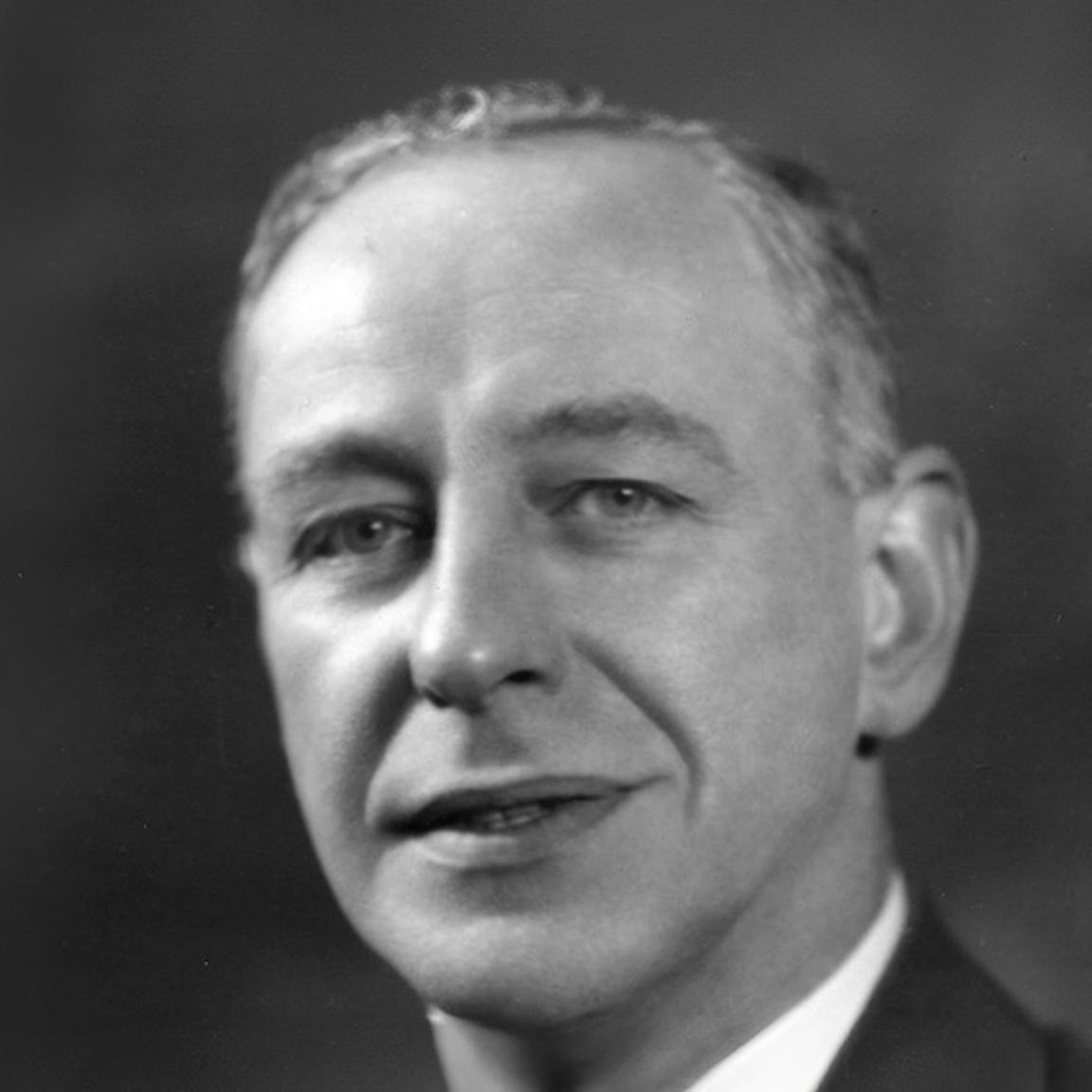
Jack Copland, an Edinburgh-based dentist, realised something needed to change after his friend’s wife died due to blood loss that he felt was avoidable. The Edinburgh and South East Scotland Blood Transfusion Association (ESESBTA) was born.
1930s
ESESBTA
Arm in arm
In the early years, transfusions were direct, with donors often by the patient’s side during the whole process, and as no blood was stored, it was transfused straight into the patient there and then. It created a very personal connection.
1931
ESESBTA
A pioneering idea
Jack Copland set up a small panel of voluntary donors by putting out an appeal to members of the public. Their blood group was known so they’d be ready to donate when the call came, day or night. This was very innovative for a time when not much was known about blood.
1931-1936
ESESBTA
Always there
During the six years when the service was run by Jack Copland and the Crusaders, a voluntary welfare association he was a member of, impressively no appeal for blood was unanswered. But with a small pool, this put pressure on donors.
1936
ESESBTA
Growing by the donor
By now, there was a peak of 350 donors. A meeting was held in Edinburgh to discuss the future of the blood service and how it could continue to meet demands.
1940
ESESBTA
By the side of donors
ESESBTA continued to support the work of the SNBTS by focusing on supporting donors using generous donations from the public.
1940
SNBTS
Going national
The Scottish National Blood Transfusion Service (SNBTS) was established, using Edinburgh’s model as a framework.
1940-Today
ESESBTA
The best environments
A comfortable donation is more likely to be a successful donation, so we find ways to bring relaxation and joy to donation spaces.
Outstanding generosity
Through awards and acknowledgements, we make sure donors feel valued.
1942
SNBTS
The impact of war
The war significantly increased donor numbers from 700 in 1939 to 10,000 by 1942, and blood storage banks began. Advances in the large-scale use of plasma in transfusions, one of the first in-roads of using blood component technology, were also becoming more common and boosting treatment effectiveness.
1945
SNBTS
Post-war dip
After the war, donor motivation decreased, prompting the need for volunteer coordinators to manage donor communications and sessions to keep up with demand.
2000s
ESESBTA
Driving innovation
We’re always looking for ways to help make the blood donation process as comfortable and rewarding as possible through new ideas and technology.
Today
ESESBTA
Thanks to you
Thanks to donors like you, today Scotland has a robust blood donation system.
Exciting innovations continue, particularly in the area of plasma donation, and we would like to thank all donors, past and present, who have made this possible.